7 Ways to Make Your Corporate Event Feel Less Corporate
December 22, 2025
Corporate events have a reputation problem. The mere mention of another team-building exercise or company conference can trigger a collective groan from employees who've sat through one too many stiff presentations in fluorescent-lit hotel ballrooms. But it doesn't have to be this way.
The best corporate events don't feel corporate at all. They feel human, engaging, and actually enjoyable. Whether you're planning a team retreat, company conference, or client appreciation event, here are seven strategies to strip away the corporate veneer and create an experience people will genuinely remember.
1. Ditch the Hotel Conference Room
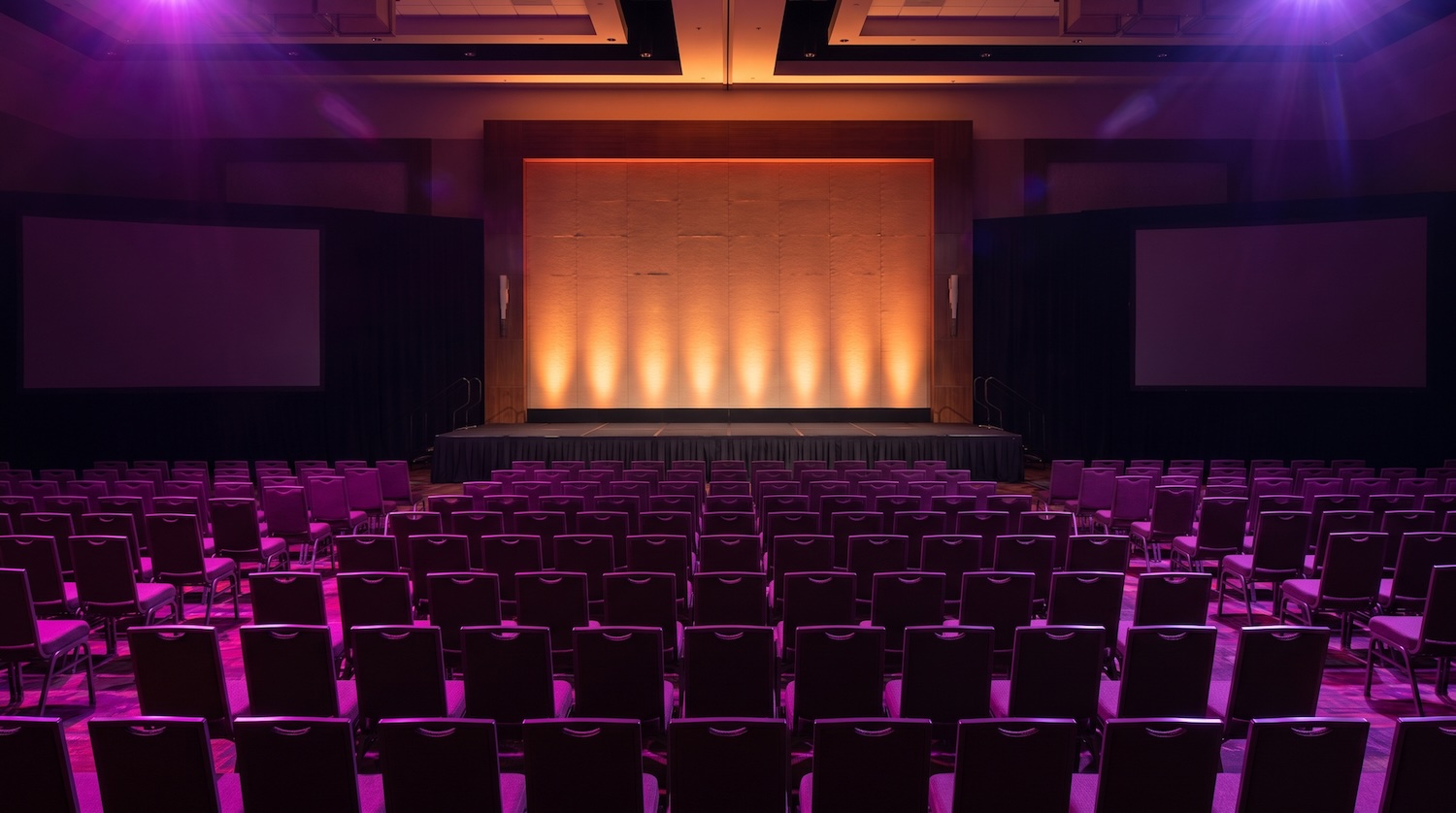
Nothing screams "corporate event" quite like a windowless hotel ballroom with industrial carpet and those ubiquitous stacking chairs. The venue sets the tone for everything that follows, so choose a space that feels unexpected. Instead, consider art galleries, rooftop gardens, historic buildings, or even working farms. The key is selecting a location that inspires and sets the tone for the event.
When you remove the traditional corporate setting, you remove the traditional corporate mindset that comes with it. People relax, open up, and engage more authentically when they're somewhere that doesn't remind them of every boring meeting they've ever attended.
2. Replace Presentations with Conversations
Death by PowerPoint is real, and your attendees have suffered enough. Instead of subjecting people to another parade of slides and one-way lectures, design your event around meaningful dialogue.
Try fishbowl discussions where a small group converses in the center while others listen and rotate in. Host structured networking sessions with thought-provoking prompts. Organize small group debates or "unconference" style sessions where attendees choose topics and facilitate discussions themselves.
The goal is to shift from passive consumption to active participation. People remember conversations they were part of far more vividly than presentations they watched. Plus, when attendees contribute their perspectives, they're more invested in the outcome and more likely to implement ideas afterward.
3. Bring in the Unexpected
Corporate events often play it safe, sticking to the familiar script of breakfast pastries, coffee breaks, and the inevitable chicken-or-fish dinner. Breaking that pattern creates memorable moments that humanize the experience.
Hire a sketch artist to capture key moments and conversations in real-time drawings. Bring in a musician to perform between sessions or create a custom event soundtrack. Set up an interactive art installation that attendees can contribute to throughout the day. Arrange a surprise flash mob or performance that jolts people out of autopilot mode.
These unexpected elements don't need to be elaborate or expensive. Sometimes the simple act of having a poet-in-residence, a coffee cart run by a local roaster who talks about their craft, or a magician performing close-up magic during breaks is enough to signal that this isn't just another corporate gathering.
4. Design for Human Needs, Not Just Logistics
Corporate events often optimize for efficiency and logistics while forgetting that attendees are human beings with bodies that get tired, minds that wander, and social needs that go beyond structured networking.
Build in generous breaks that give people actual time to digest information, have organic conversations, or simply decompress. Create cozy lounge areas with comfortable seating where people can have one-on-one conversations away from the main action. Offer healthy, interesting food that fuels energy rather than inducing afternoon comas.
Consider the full sensory experience: natural light, plants, good air circulation, varied seating options, spaces for introverts to recharge. When you design an environment that respects human needs, people feel valued rather than processed through a corporate machine.
5. Make It Hands-On
People are tired of being talked at. They want to make things, try things, and use their hands for something other than typing emails.
Incorporate creative workshops like pottery, painting, cooking, or woodworking into your agenda. Set up innovation labs where teams prototype solutions to real challenges. Organize outdoor activities that involve learning a new skill together. The act of creating something tangible shifts the energy entirely.
Hands-on activities are particularly powerful because they level the playing field. Your CEO might be terrible at making pottery while someone from accounts payable creates a masterpiece. These moments of vulnerability and shared learning break down hierarchies and remind everyone they're just people trying to figure things out together.
6. Strip Away the Corporate Speak
Language matters enormously in setting the tone. Every time you use corporate jargon, buzzwords, or overly formal language, you reinforce the very corporate-ness you're trying to escape.
Talk to people like humans, not like resources to be leveraged or stakeholders to be engaged. Write your event communications, signage, and session descriptions in a voice that's warm, clear, and even a little playful. If you wouldn't say it to a friend over coffee, reconsider whether you need to say it at all.
This extends to how you structure the experience. Instead of "opening remarks" and "keynote presentations," try "morning conversation" or "exploration sessions." Replace "networking hour" with "mix and mingle" or simply "drinks and connections." Small language shifts signal that this event operates by different rules.
7. Give People Permission to Be Themselves
Perhaps the most important shift is cultural rather than logistical. Corporate events often carry an unspoken expectation that everyone should be "on," projecting professionalism, making the right impression, and saying the right things.
Explicitly invite people to show up as their whole selves. Set the tone from the top by having leaders share vulnerably about their own challenges and uncertainties. Create activities that let people's personalities shine beyond their job titles. Celebrate quirks, encourage humor, and make space for authentic reactions rather than polished responses.
When a VP admits they have no idea how to use the new software and needs help, or when team members share genuine fears about an upcoming transition, or when someone's terrible karaoke performance becomes a cherished memory; those are the moments when corporate walls come down and real connection happens.
Creating Connections and Fostering Creativity
Corporate events that prioritize human connection and make your attendees feel more at ease lead to increased productivity and creativity. By making your corporate event feel less “corporate,” you often achieve your objectives more effectively. People leave energized to implement ideas instead of filing them away. And they build relationships that translate into better collaboration.